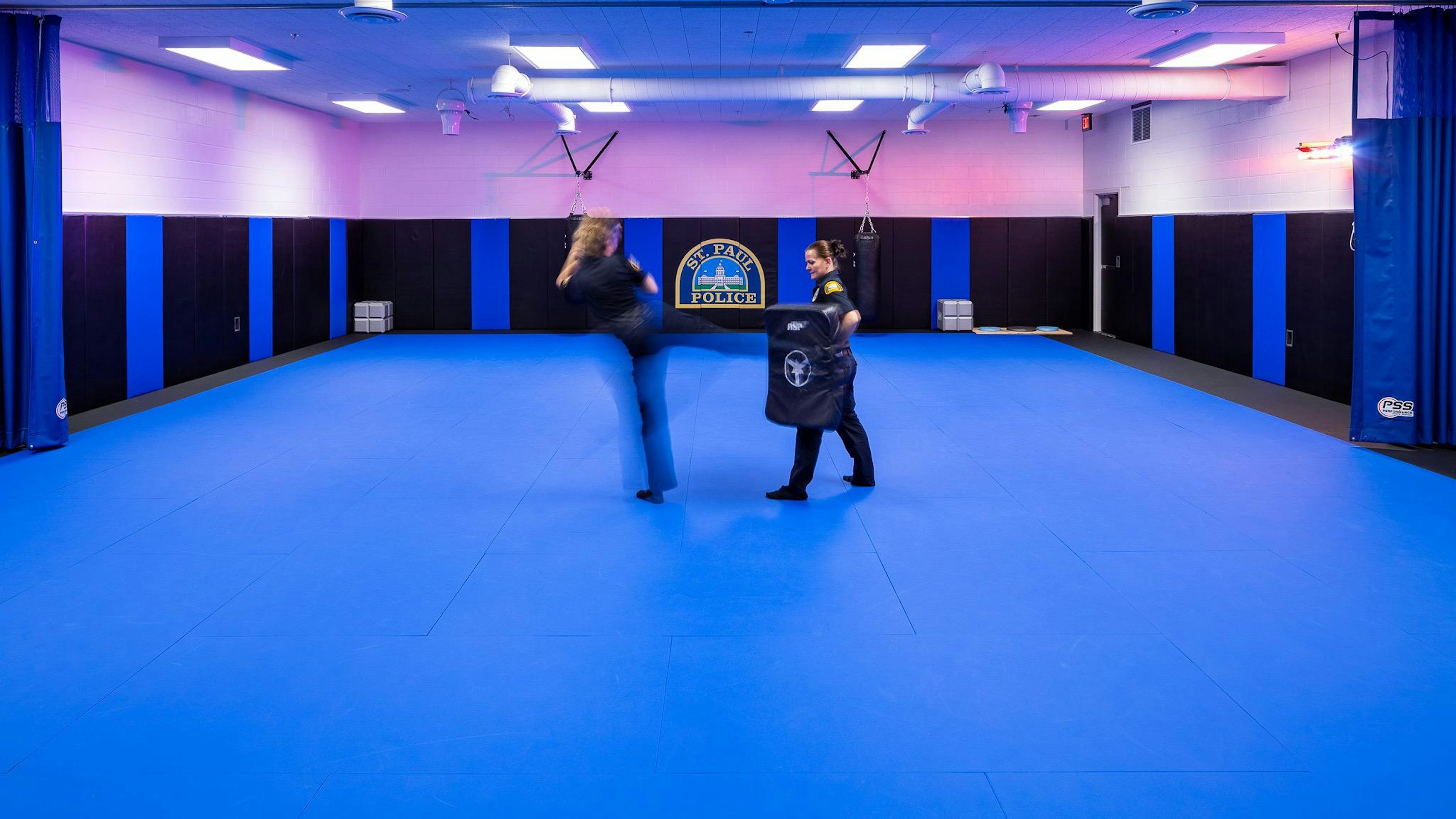

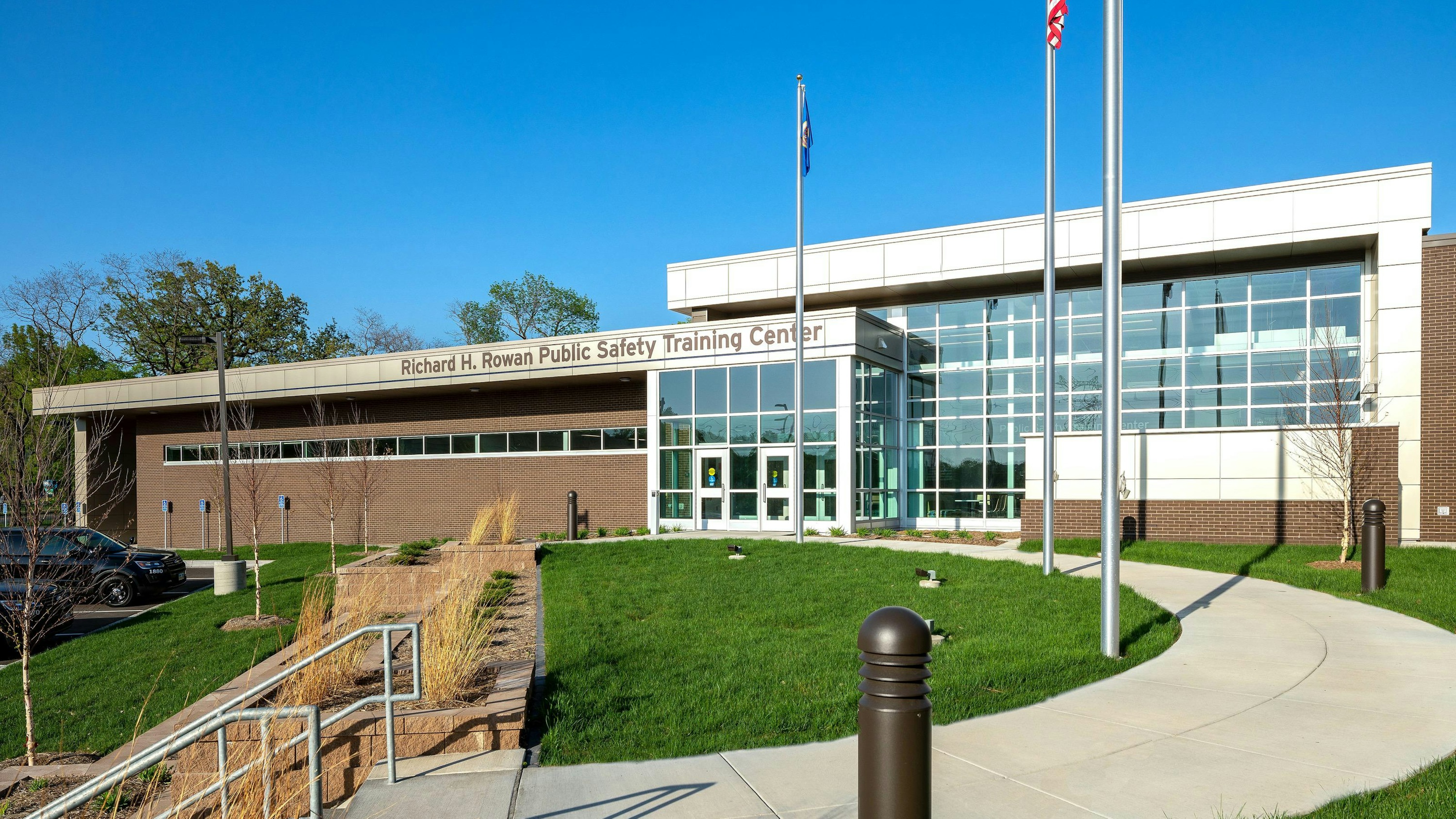
Across the country, public safety agencies are reimagining emergency readiness through a more collaborative lens. Amid tightening budgets and increasingly complex threats, communities need seamless coordination across agencies. As a result, communities are evolving from single-discipline facilities to regional, joint-use training campuses where police, fire, emergency management and dispatch teams train together in flexible environments. From early planning conversations to large-scale investments, the focus is on facilities that can improve multi-agency coordination and make better use of limited public funding.
Wold Architects & Engineers has long designed high-performance public safety facilities nationwide. From police and fire to emergency operations centers and 911 environments, our multidisciplinary teams understand the operational, cultural and technical nuances required for successful integration.
When seconds matter, fragmented response across agencies becomes a risk: agencies cannot work in silos. The 2021 Colorado Marshall Fire response included dozens of agencies, and during crises like this, teams must function as a unified system. Training environments that reinforce collaboration strengthen readiness and the coordination required in the field during emergency scenarios.
Joint training encourages agencies to practice communication, command structure and shared decision-making in realistic scenarios. Shared classroom space, coordinated scenario training and joint use of specialized assets can all help achieve this. For example, Wildlife Officers in Colorado train at multiple locations, including the Colorado Parks & Wildlife Training Facility and the Flatrock Regional Training Center near Denver. This approach provides a wide range of certified peace officer training with the State Patrol, County Sheriffs and local police.
Well-designed joint training facilities can also improve efficiency. High-cost assets, such as burn towers, skid pads, Emergency Vehicle Operator Course tracks and simulation labs, are expensive to build, operate and maintain. Utilization by multiple agencies reduces cost while expanding training opportunities. Even simple design strategies, like shared stair towers or flexible outdoor training areas, can significantly increase a space’s overall training value.


While the benefits are clear, planning for a joint training facility introduces added complexity that must be addressed early. Multiple agencies bring different funding timelines, approval processes and priorities, which can slow progress or create imbalances between investment and use without upfront coordination. Ownership and governance must also be clearly defined, whether through a single operator or a shared model, with agreements in place for long-term maintenance, capital reinvestment and oversight.
Even after opening, scheduling and access require careful management. Police, fire and EMS agencies often have competing training priorities, especially for high-demand assets like ranges, EVOC tracks or burn towers. Centralized scheduling and clear usage policies are essential to avoid conflict and keep operations running smoothly.
Designing for joint training requires a careful balance: creating flexible environments that accommodate multiple teams while preserving resources for each discipline’s specialized needs. The goal is not uniformity, but compatibility. Shared spaces should foster collaboration and efficiency, complemented by dedicated areas that prioritize safety, technical requirements and operational integrity. For example, fire hose towers that double as police search spaces, or classrooms that flex between lecture, simulation and debrief, allow agencies to train independently or together as needed.

Joint training campuses must perform at multiple levels. Beyond operational readiness, they must support user wellness, demonstrate civic responsibility and remain functional for decades.
As demand for regional training hubs grows, the next frontier lies in collaboration at every stage, from planning and governance to design and funding. Communities that align early on partnership structure, scheduling and long-term ownership are better positioned to deliver facilities that perform over time.
By bringing agencies together in shared spaces, these campuses strengthen preparedness, streamline operations and build public trust. They mirror the reality of modern emergencies, where success depends on seamless coordination, clear communication and mutual confidence among teams.
Our team is passionate about partnering with communities to envision training facilities that support collaboration and operational readiness while preserving each agency’s identity and mission. Ready to rethink what integrated public safety training can look like? Connect with Wold to start the conversation.
To learn more about our experience creating shared spaces that strengthen agencies’ ability to serve their communities, contact Shane Hochmuth at shochmuth@woldae.com, Aimee LaLone at alalone@woldae.com or Roger Schroepfer at rschroepfer@woldae.com.