
Historic civic buildings anchor communities. Courthouses, city halls, public safety facilities and state offices often represent decades or even centuries of local identity and shared history. Renovating or preserving those spaces is not simply a technical exercise. It is an act of stewardship.
Successful historic renovation requires balancing several forces at once, such as regulatory frameworks, community attachment and the operational realities of modern civic buildings. At Wold, historic preservation projects are guided by the same principle that shapes all our public sector work: making a meaningful difference in the communities we serve. Preservation is not about freezing buildings in time, but about responsible investment – ensuring facilities continue to represent their communities while meeting today’s performance expectations.
Historic buildings are, in many ways, emotional assets, and every project begins with an understanding of the layers that shape them. Residents often associate the buildings with civic milestones, local traditions or generational memories. They can be formally listed on, or eligible for, a historic register, or simply noted as a legacy landmark, and each scenario has different considerations. As a result, preservation projects typically require a delicate collaborative process that can include public meetings, outreach to community stakeholders and ongoing dialogue about how a building should evolve. The goal is not to avoid change, but to guide responsible change.
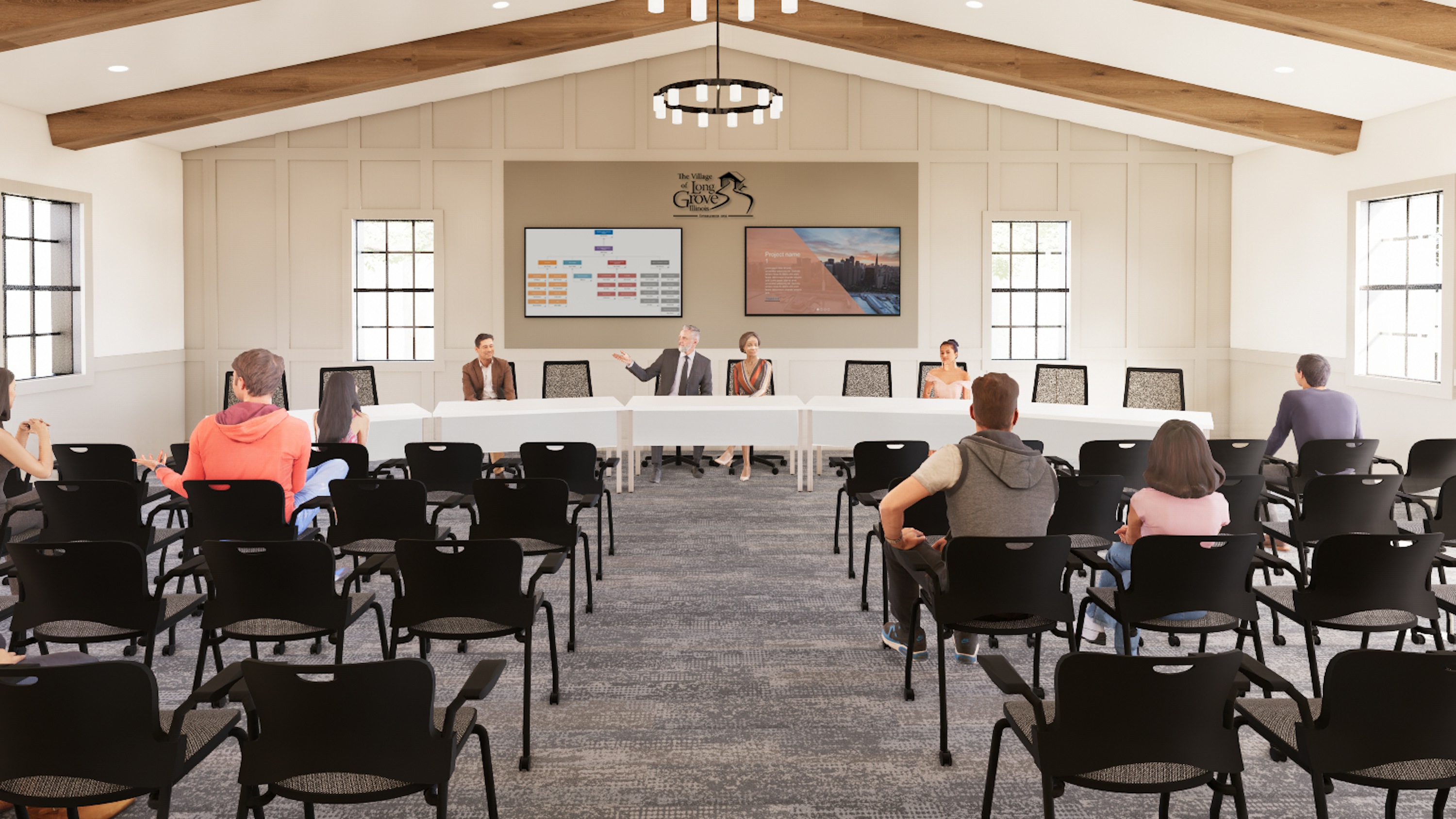
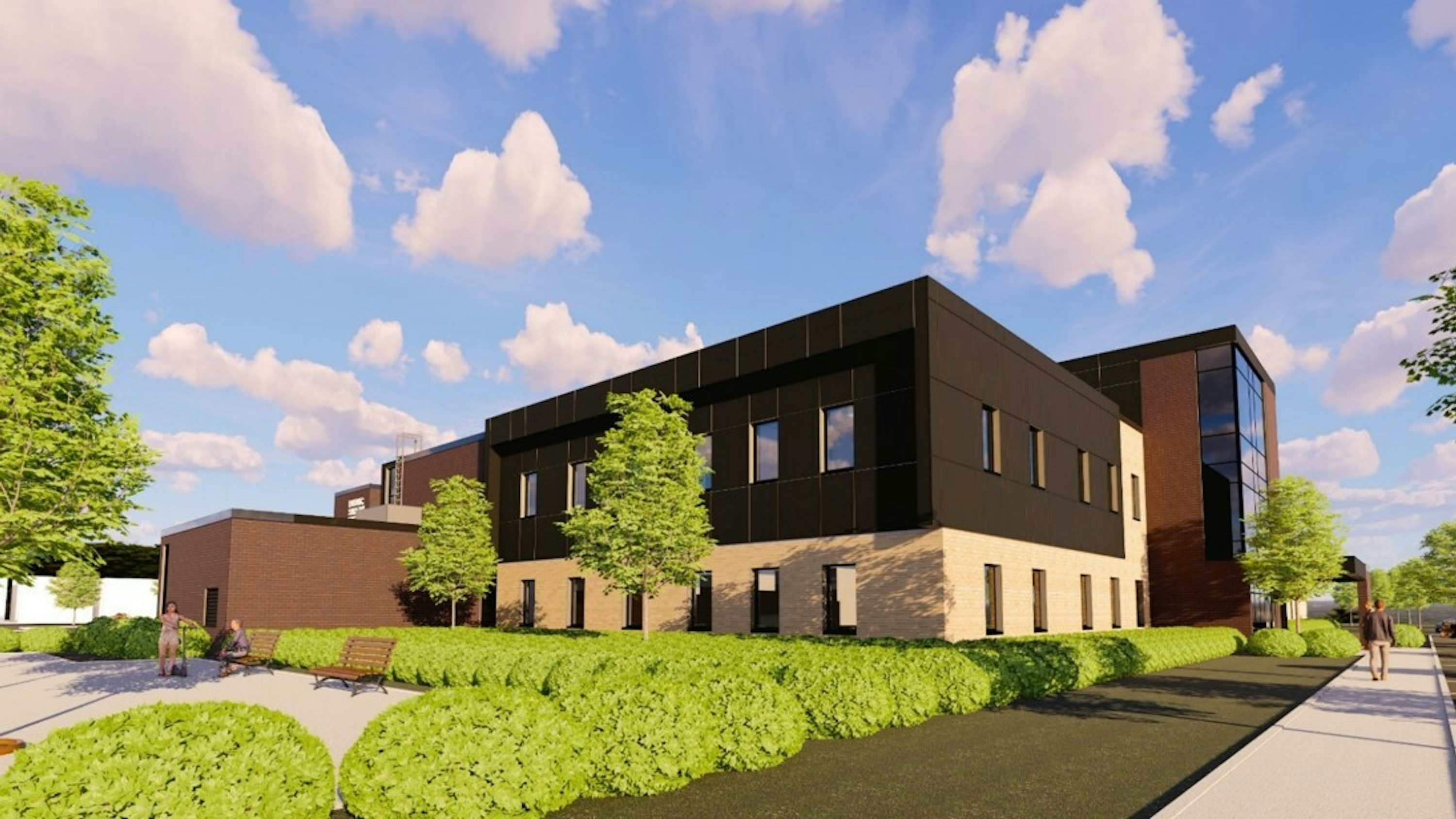
Understanding preservation standards requirements and where flexibility exists allows project teams to align design decisions with both regulatory expectations and the long-term goals of civic leaders. In the Village of Long Grove in Illinois, the City Hall was housed in a historic structure dating back to the 1860s and was relocated in the 1970s to its current site, where it needed a modern facelift. The local historical society became engaged in the planning process to help respect the building’s rich heritage, introducing new perspectives and concerns. Through proactive communication and an empathetic design approach, the project team addressed those concerns while improving the building’s functionality and performance, preserving its history for future generations.
Similarly, at the Dickson County Courthouse in Tennessee, the project’s success is measured by its ability to preserve the building’s legacy as Tennessee’s oldest working courthouse while preparing it for continued civic use. Through a phased renovation approach, the design stabilizes and restores the historic structure while updating interior systems and spaces to meet modern standards.
Historic preservation is as much a management discipline as it is a design challenge. These projects often require careful coordination with state historic agencies, local historic commissions or districts, and, in some cases, federal agencies. Early engagement helps establish which elements must be retained and how new systems can be integrated without compromising the character. Preservation standards such as the Secretary of the Interior’s guidelines often shape design decisions from the outset by providing valuable resources, including archival photographs, historic drawings and construction details, that inform accurate restoration.
Historic projects also often require assembling a broader team of specialists than a typical construction effort, bringing in experts such as preservation consultants, materials scientists or even metallurgists to analyze existing components and guide restoration decisions. At the Town of Erie’s Town Hall in Colorado, for example, the 1906 building is listed on the National Register of Historic Places and required careful coordination with preservation authorities as the town expanded and renovated the facility. Wold worked closely with the town’s leadership to ensure the 19,000-square-foot addition remained sensitive to the original structure, even sourcing stone from the same quarry used in the building’s original construction to maintain visual continuity.
Regulatory considerations can also shape how historic buildings are repurposed. At the City of Virginia’s Public Safety Building in Minnesota, a former fire station slated for adaptive reuse required careful coordination with state historic preservation authorities and environmental review before the building’s program could change. Even modest shifts in use triggered additional oversight, underscoring the importance of early planning and experienced guidance.
Projects like these often involve longer timelines due to approvals, specialty fabrication and unknown conditions within aging structures. By helping clients understand these realities early, and aligning expectations around scope, schedule and budget, Wold positions preservation not as a constraint, but as a strategic reinvestment in civic infrastructure.
One of the most rewarding challenges in historic preservation is balancing architectural character with contemporary performance needs. These historic buildings, whether listed or not, are public assets that need to continue to support present-day operations through thoughtful reinvestment that maintains their integrity and extends their useful life. At Wold, the guiding principle is simple: integrate upgrades thoughtfully so buildings evolve without losing the qualities that make them celebrated.
Whenever possible, original elements are preserved and reused, with historic details replicated only where replacement is necessary. Performance upgrades, from HVAC systems and accessibility improvements to updated lighting and life-safety features, are introduced in ways that respect the building’s existing character. Specialty solutions like custom window systems may require longer fabrication timelines, but they allow important profiles to remain intact while improving energy performance.
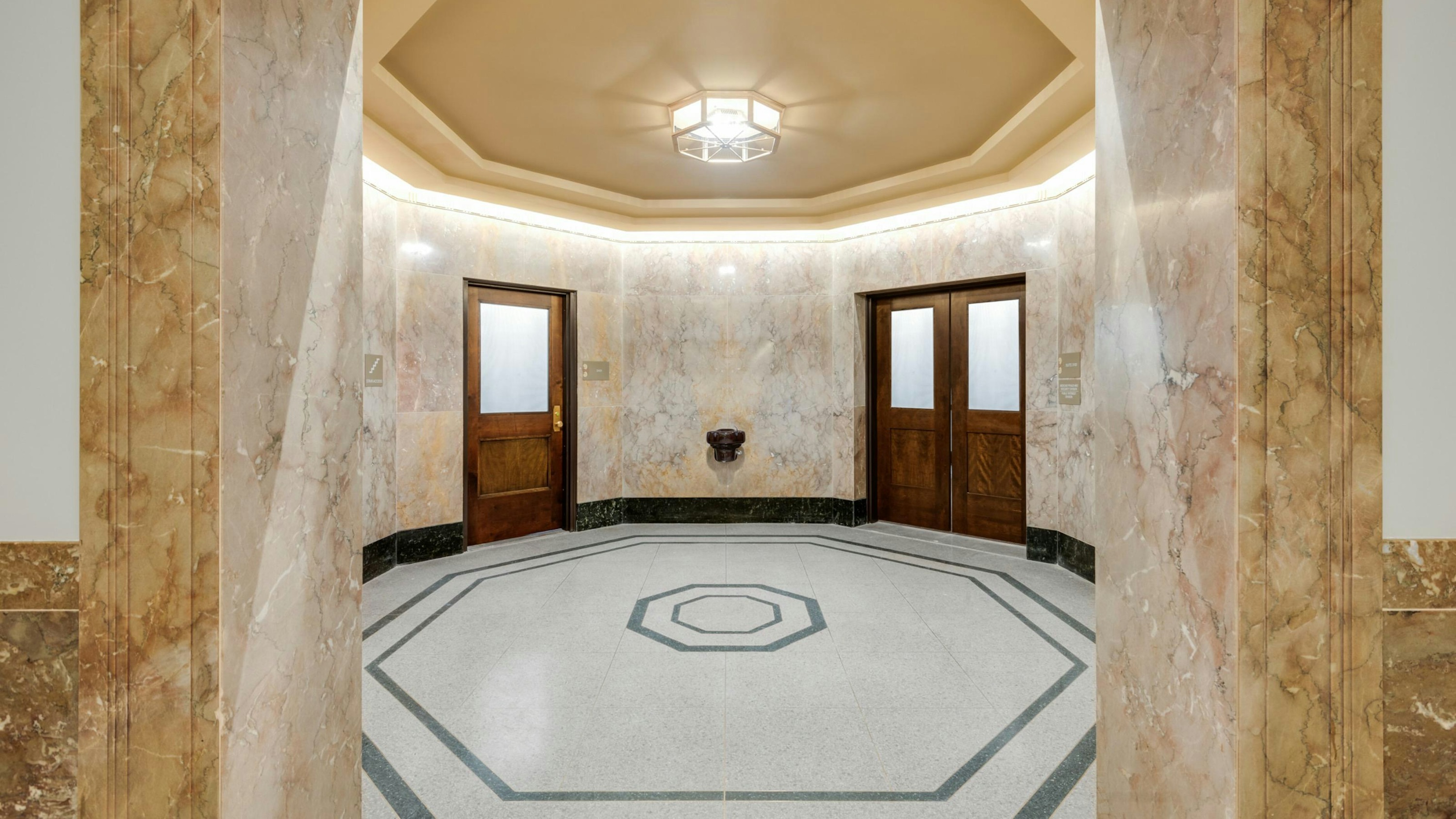
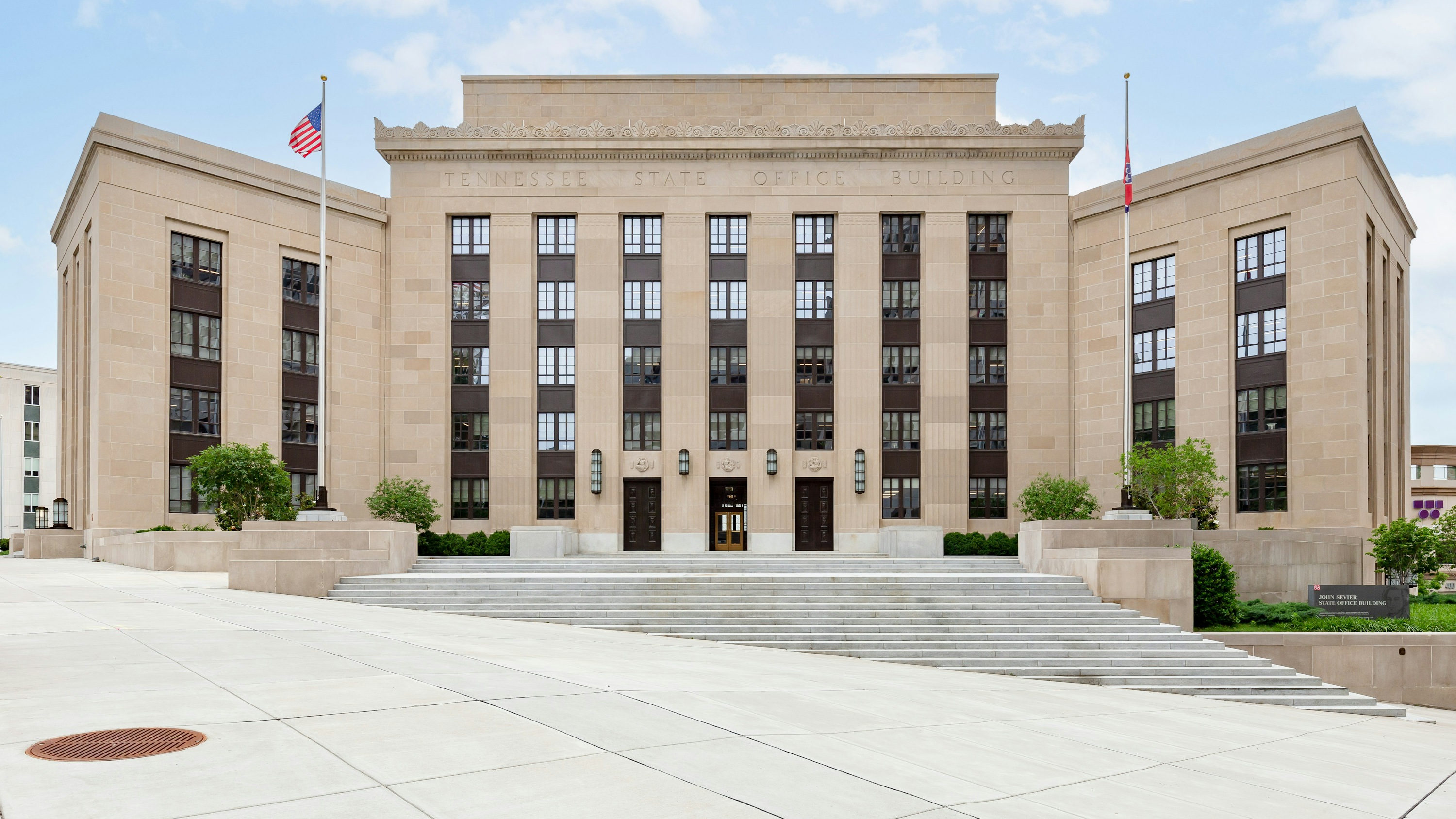
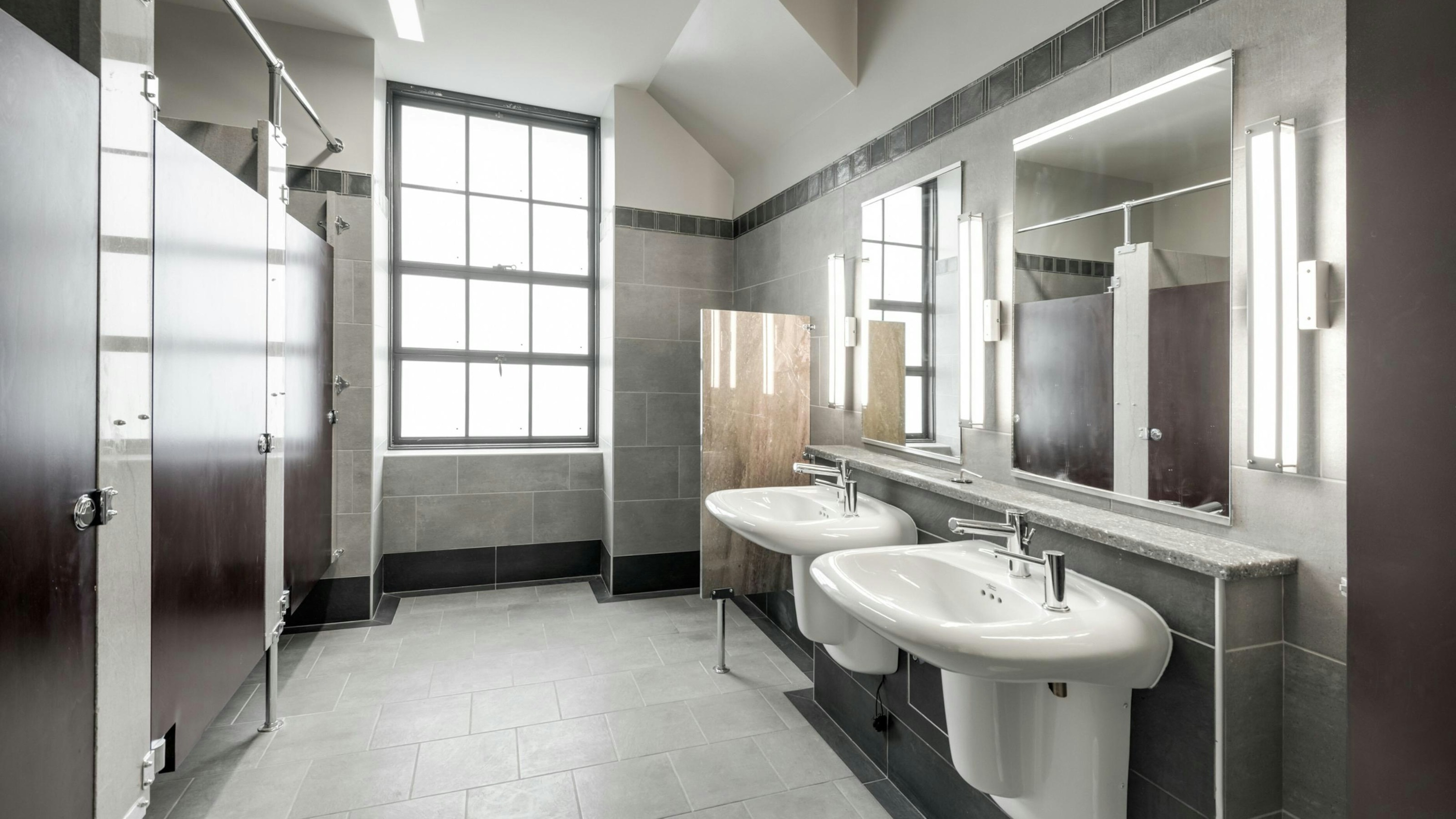
Modern infrastructure integration is equally important. Mechanical equipment, ventilation and sprinkler systems are often concealed through subtle ceiling adjustments or replicated architectural detailing that preserves visual continuity. While the John Sevier State Office Building’s exterior and public corridors were preserved to retain their historic Tennessee character, the interior office suites were modernized to meet contemporary workplace needs. A critical part of this project was the refurbishment of existing window frames and the replacement of existing glass. It was upgraded with high-performance insulating glass that uses a vacuum to create an insulating pane that is only six millimeters thick. Original elements like doors, drinking fountains and light fixtures were carefully salvaged, restored and redistributed throughout the building, allowing the facility to function for today while honoring its legacy.
Historic renovation and preservation projects demand more coordination and nuance than new construction. They require designers to navigate highly regulatory frameworks, engage sensitive communities and solve technical challenges within existing structures. But when done well, preservation strengthens civic identity and extends the life of essential public assets.
At Wold, we approach these projects with a dual sense of responsibility and opportunity. By integrating regulatory expertise, community engagement and thoughtful design execution, our teams help communities honor their past while preparing their buildings for the next century of service.
Ready to thoughtfully modernize a historic civic building? Connect with our team to start the conversation about preservation-sensitive planning and community-driven design.


