
Twenty years ago, healthcare grants were often supplemental, a helpful boost to financing packages already in motion. Today, they’re strategic levers: competitive, compliance-heavy and often essential to rural access and modernization. Grant funding has shifted from opportunistic to strategic. Organizations win when they treat grants as part of a long-range capital strategy, not a last-minute funding solution.
Our team at Wold has spent decades supporting healthcare organizations across the country as they navigate complex funding opportunities and align them with long-term facility strategies. As new financial support options emerge across the healthcare landscape, we remain ready to help organizations translate opportunity into action.
In a recent study conducted by Wold, 83% of respondents, mainly in rural and smaller communities, reported being unable to fully fund needed improvements. Over the past two decades, several shifts have reshaped the healthcare financing landscape for communities of all sizes:
This evolution has made proactive planning essential. Funding no longer fills gaps in strategy. It rewards it.
Comprehensive master planning has always guided facilities, but today, it is also a critical financial readiness tool. Grant cycles are unpredictable. Deadlines are short. Organizations without updated plans and current cost models often miss opportunities simply because they cannot mobilize fast enough. Wold approaches the funding process by helping healthcare partners create a comprehensive master plans that integrates holistic expertise with each client’s long-term vision and operational goals.
Healthcare organizations that maintain living, regularly updated master plans are equipped to make quicker and more effective strategic decisions: to respond quickly when funding windows open, aligning project scope with available dollars, validate needs using current operational and community data and break large, long-term visions into manageable, fundable phases that can adapt as opportunities arise.
Health leaders can prepare for grant-supported healthcare investment:
Through the planning process, the core planning group — healthcare organization leaders, operational stakeholders and design partners — identifies where investments will create the greatest impact, with design serving as the execution of those priorities. Long-range plans can span a few years to several decades, guiding decision-making, budget planning and short-term projects.
Early engagement ensures that design partners can
Partnering with a design team early to establish those goals, while taking a comprehensive approach to planning, helps make the process more flexible and achievable over time. In Southwest Health System, the master plan allowed the project to phase construction flexibly, ensuring the facility’s goals were met while adapting to funding opportunities.
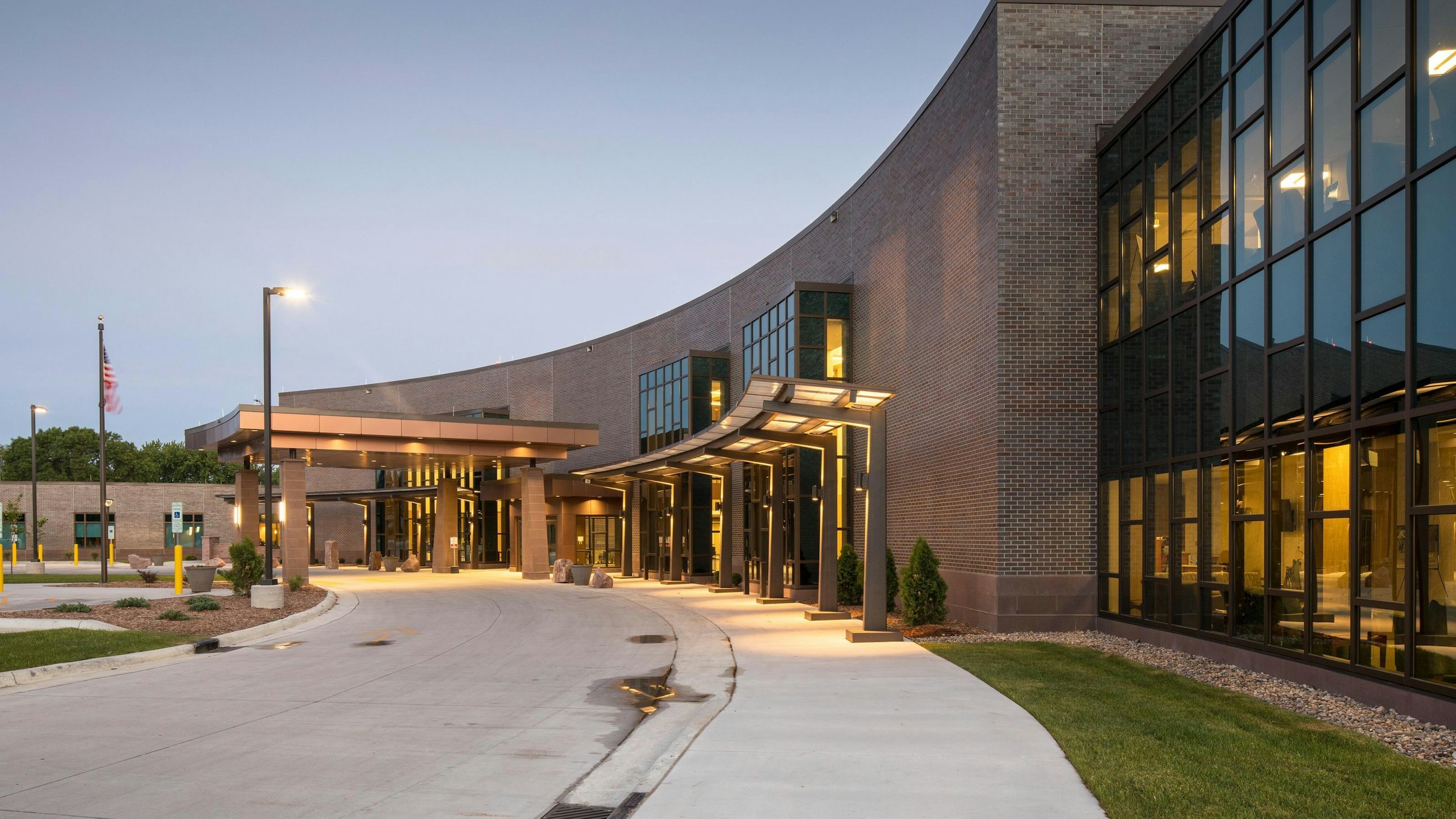
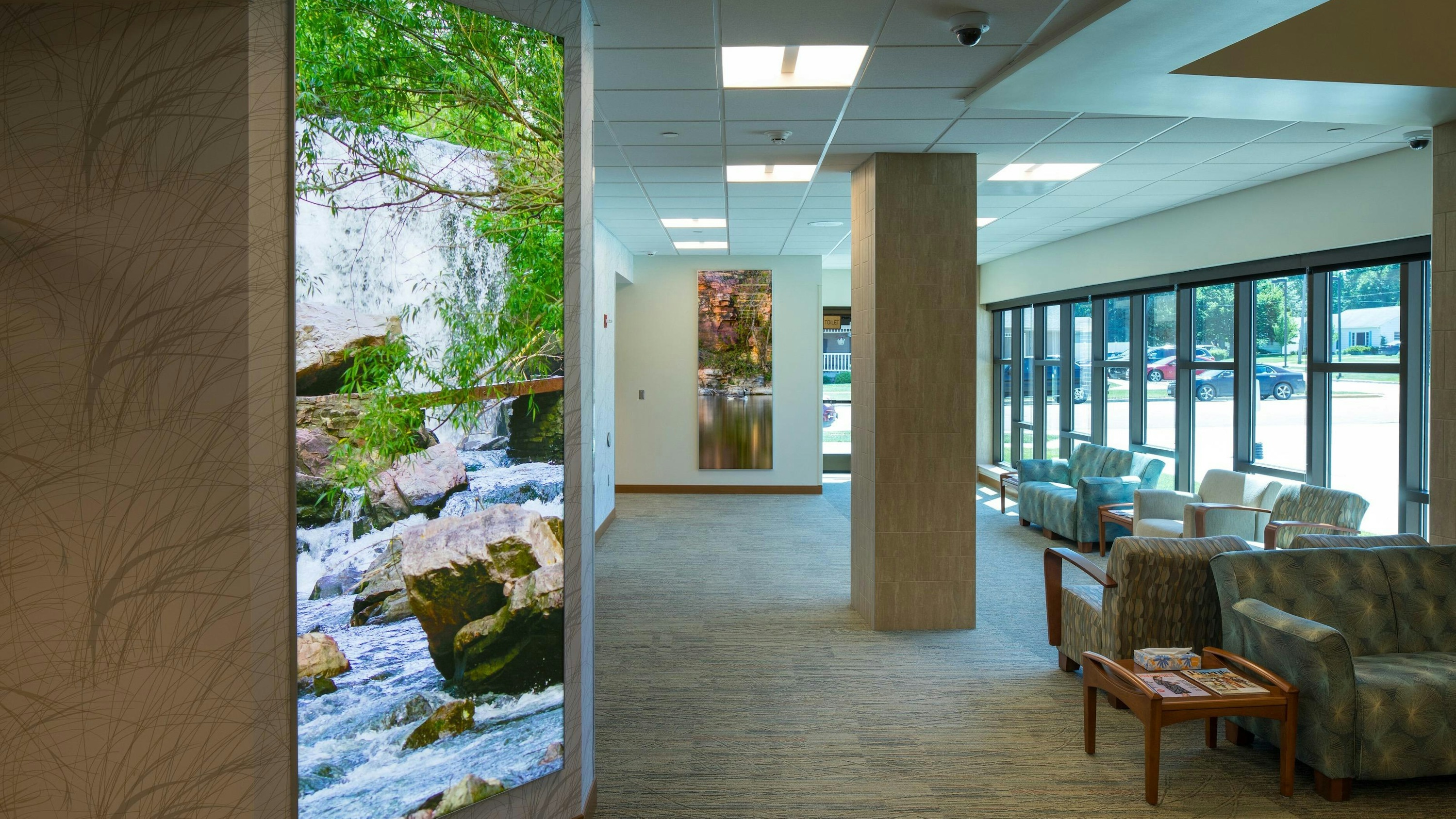
At Pipestone County Medical Center & Family Clinic in the rock quarries of southwest Minnesota, leadership leveraged USDA grant-based funding to reorganize the campus, maximize outpatient and clinic spaces and create a community hub for health and wellness. The result was an overwhelming wave of community support and a facility that allows staff to deliver care more effectively within a critical access hospital.
Similarly, through USDA financing and a collaborative planning process, WinnMed was able to double capacity, modernize outpatient and surgery centers and reconfigure its mother-baby unit, demonstrating how early strategic preparation can transform both patient and staff experience.
For rural and community-based providers, the stakes are even higher. Community hospitals account for the vast majority (84%) of hospitals in the U.S. and, therefore, are responsible for the majority of inpatient care. Leaders must navigate complex tensions, balance durability with upfront cost, right-size facilities amid uncertain volume projections, protect essential access while considering service expansion and align capital investment decisions with ongoing staffing realities.
In these settings, grant funding often determines whether care remains local. Regional collaboration becomes critical. Shared services, provider partnerships and alignment with neighboring systems can strengthen both financial applications and long-term sustainability. Staying connected with local legislators and community advocates also matters; they play an important role in championing funding requests and communicating regional needs.
Grant success in rural healthcare is rarely about one project. It is about building a coalition and a case for long-term access.
In the same Wold study, 75% of respondents believe funding sources likely exist that they are unaware of. Many organizations default to considering USDA Rural Development the primary option. In reality, the landscape is broader and evolving.
In the decades of our work partnering with health leaders across the country, one lesson stands out: funding favors preparedness. The next wave of healthcare investment will not reward reactive organizations scrambling to assemble documentation. It will reward those who have done the strategic groundwork and approach the process holistically. Organizations that understand their priorities, maintain current plans and treat grants as part of a broader capital strategy are best positioned to secure funding. When planning, design and financial strategy align early, grant opportunities become not just attainable but transformative.
If your organization is evaluating its capital roadmap or preparing for future funding cycles, now is the time to assess your readiness. Connect with Wold’s healthcare team to evaluate your master plan, explore funding alignment and build a strategy that positions your organization to compete and win.