For many communities, the hardest part of a project is not identifying what needs to change. It is deciding what to do first.
School districts, government agencies and healthcare organizations are asked to make decisions that carry long-term consequences and often involve systems most stakeholders do not fully understand. When decisions are not clear, projects stall and public confidence drops.
Wold’s in-house engineers go beyond designing building systems. They help communities understand what a project requires, how it will function and the lifespan of investments. When public trust, board approval and long-term performance all matter, clarity can make the difference between project hesitation and momentum.
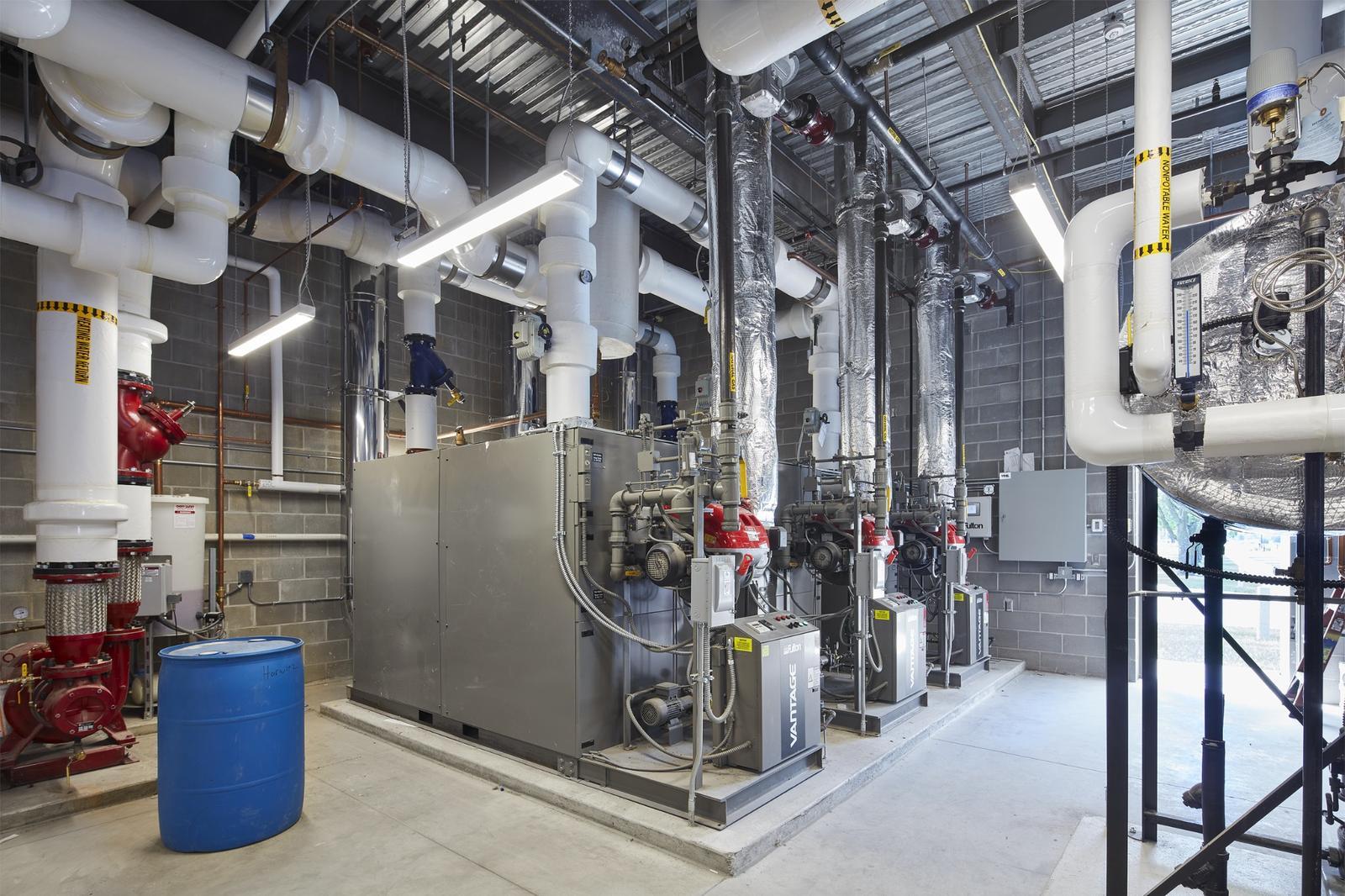
Wold’s engineering team helps define what success will require in practice. That starts with the questions clients need answered early. How will the space function day to day? What systems are needed to support operations? What will those choices mean for long-term maintenance and replacement?
Early engineering input helps clients get ahead of those problems. Leaders gain a clearer view of what a project will require and where the biggest decisions sit. They can weigh tradeoffs sooner, explain choices more clearly and move forward before plans become harder to adjust.
For example, in a school CTE lab, asking the right questions and understanding operational needs early is critical to creating a space that supports teaching, safety and daily use. Early planning helps align equipment and maintenance, utilities, storage, circulation, supervision and program requirements before design decisions are locked in. If these issues are overlooked at the beginning, correcting them later often means redesign, added cost, schedule delays and operational disruption. Taking the time to define how the lab will function from the start leads to a more efficient, adaptable and cost-effective learning environment, providing the client with clear expectations and a smoother process.
Consensus is difficult to build when a project is too technical to follow. Most people will never see the systems that make a building work, but they will experience them every day. Wold’s engineers begin by evaluating existing facilities, identifying system needs and recommending practical next steps, giving clients a clearer understanding of what to address now, what can wait and how to move forward with confidence.
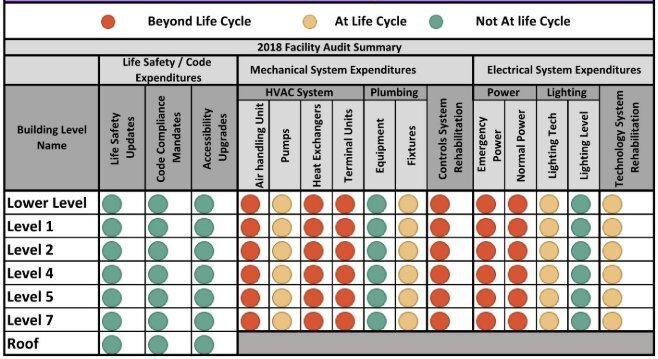
When working with Berkeley School District 87 in Illinois, Wold initiated a facilities condition assessment to turn building data into a clear roadmap for action. The assessment looked across district facilities, including Sunnyside Intermediate School and MacArthur Middle School campus and Riley Northlake Intermediate School, analyzing life-cycle costs, replacement needs, remaining useful life, projected reinvestment requirements and alternative budget scenarios. With that information, the team helped district leaders understand both the urgency of current needs and the range of viable paths forward. That clarity supported committee recommendations, board presentations, community outreach and board action, giving the client confidence in the next steps and helping the district move forward with a more informed, strategic plan.
Wold’s engineers also help engage stakeholders by translating complex systems into plain language, walking clients through comparable completed projects and explaining how decisions will affect costs over time. That clarity helps communities move from reacting to problems to making informed decisions about what comes next.
A clear picture of facility needs is only the starting point. Clients still need to decide what needs to be tackled immediately, what can happen later and how to pay for all of it.
Wold’s engineers help turn that picture into a plan. Instead of handing over a to-do list, they help clients sort urgent issues from longer-term investments and build a path forward that fits both the facility and the budget.
Schools, government agencies and healthcare systems alike can benefit from this approach. Some organizations need to solve a pressing issue before it affects daily operations. Others are planning years ahead and need a structure for making steady progress over time. In both cases, engineering brings discipline and data to the process and helps clients make decisions their community can stand behind.
At Madelia Community Hospital and Clinic in Minnesota, Wold helped turn facility needs into a clearer path forward. The work combined infrastructure assessment with stakeholder engagement and planning workshops so leadership could evaluate current conditions, define priorities and build consensus around what needed to happen first. Rather than stopping at a list of issues, the process organized needs into a master plan supported by milestones, preliminary cost information and building diagrams that helped the hospital connect engineering realities to practical next steps.
Prioritization shows stakeholders that urgent needs are being addressed, long-term improvements are being planned responsibly and investments are tied to better performance, longer facility life and lower costs over time.
Projects move more smoothly when architecture and engineering work side by side from the start.
Often, engineering teams are brought on later or work separately from architects. By the time technical questions surface, key planning decisions may already be in place, forcing teams to revisit layouts, budgets or timelines. Wold’s engineers work in-house alongside architects and designers, so issues are identified earlier and resolved in real time.
Wold’s new headquarters office in Minneapolis was intentionally designed to integrate the engineering team throughout the school, government and healthcare business units, fostering seamless collaboration with architects. By embedding engineers throughout the office rather than separating them into a single area, Wold created an environment where interdisciplinary coordination happens naturally and continuously. No matter where someone is working, an engineer is always nearby, making it easier to share ideas, solve problems quickly and maintain strong collaboration across every phase of a project.
Wold’s in-house model saves clients from unnecessary backtracking and gives leaders clearer answers when boards, staff and community members need to understand what is changing and why.
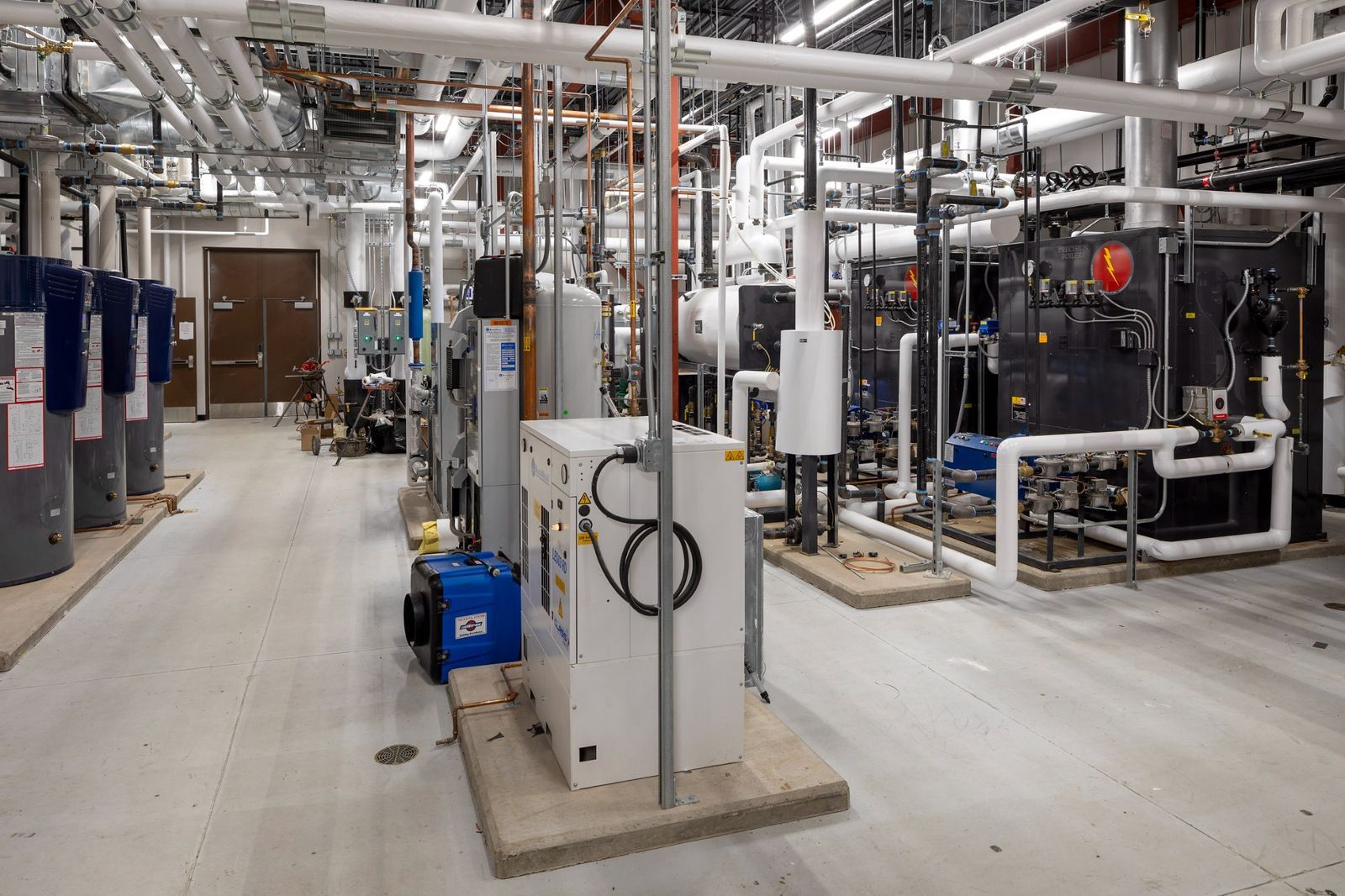
Community consensus does not happen on its own. It is built when people understand the need, trust the process and can come together for a realistic path forward.
Engineering plays a major role in that process. Early input helps clients define needs, explain tradeoffs and prioritize work in a way communities can follow. When engineers and architects work together from the beginning, decisions are clearer and projects are better positioned for success.
For school districts, government agencies and healthcare organizations, clear decision-making matters. Leaders need to answer questions with confidence and convey why a project deserves support.
Wold’s in-house architecture and engineering team helps clients assess existing conditions, identify priorities and chart next steps. The earlier the conversation starts, the easier it is to build support around where your community wants to go. Contact Wold to discuss your options and build a stronger case for what comes next.