Healthcare systems continue to face an evolving mix of challenges and opportunities. From new legislation to rising operational costs and changing patient expectations, design strategies must balance adaptability, efficiency and long-term value.
At Wold, our team is helping health systems plan for both stability and change — creating facilities that meet today’s needs while preparing for what’s next. Here are the key trends shaping healthcare design in 2026.
As healthcare continues to change, master planning remains the foundation for long-term success. But in 2026, it’s less about rigid blueprints and more about flexible roadmaps. A strong plan still provides a “true north,” but it must also account for shifting regulations, staffing challenges, technology and population trends. The most effective plans combine clear direction with adaptability, helping organizations pivot in real time without losing sight of their goals.
Key takeaway: Master plans that anticipate change keep systems strategic even when conditions shift.
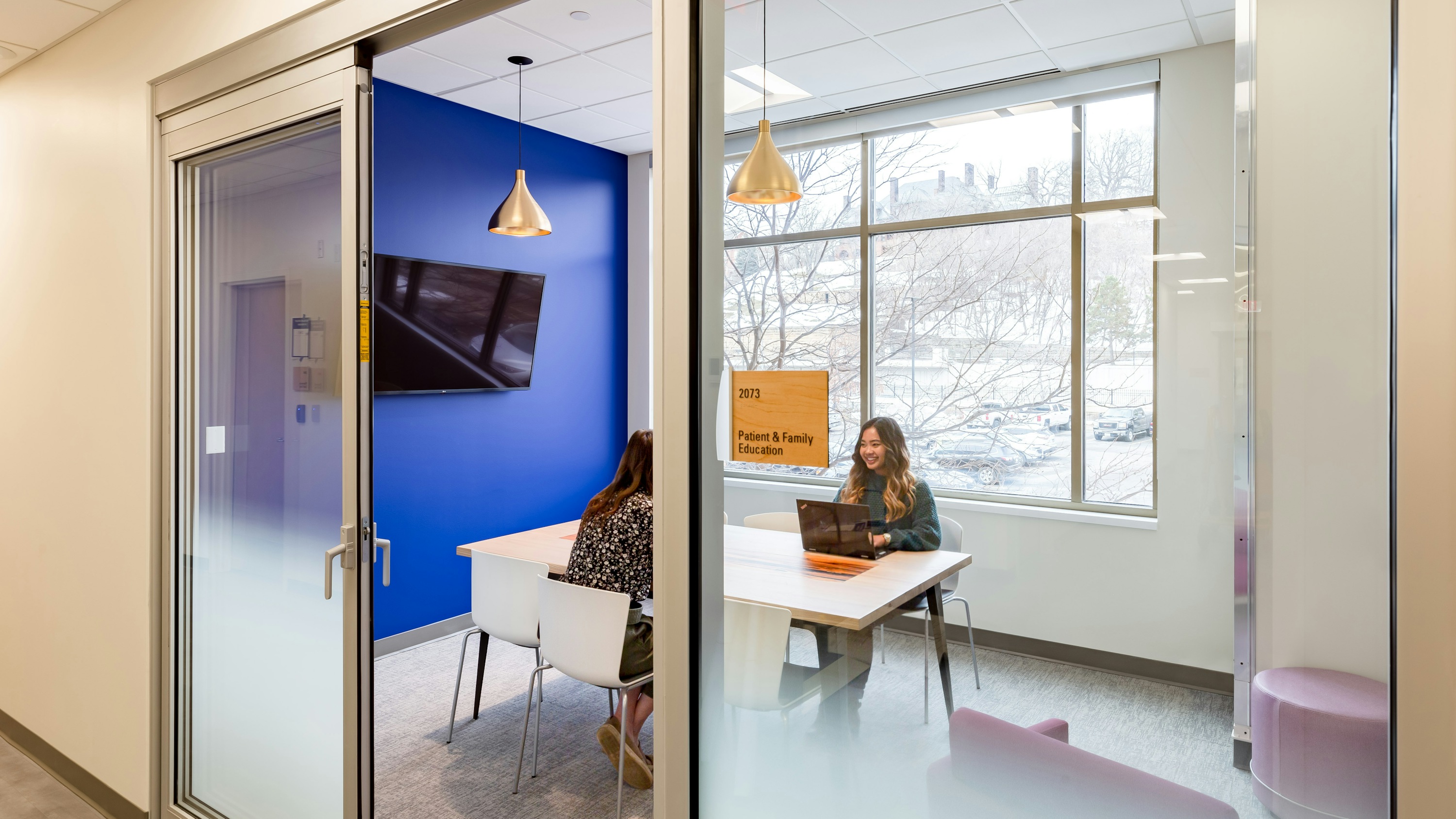
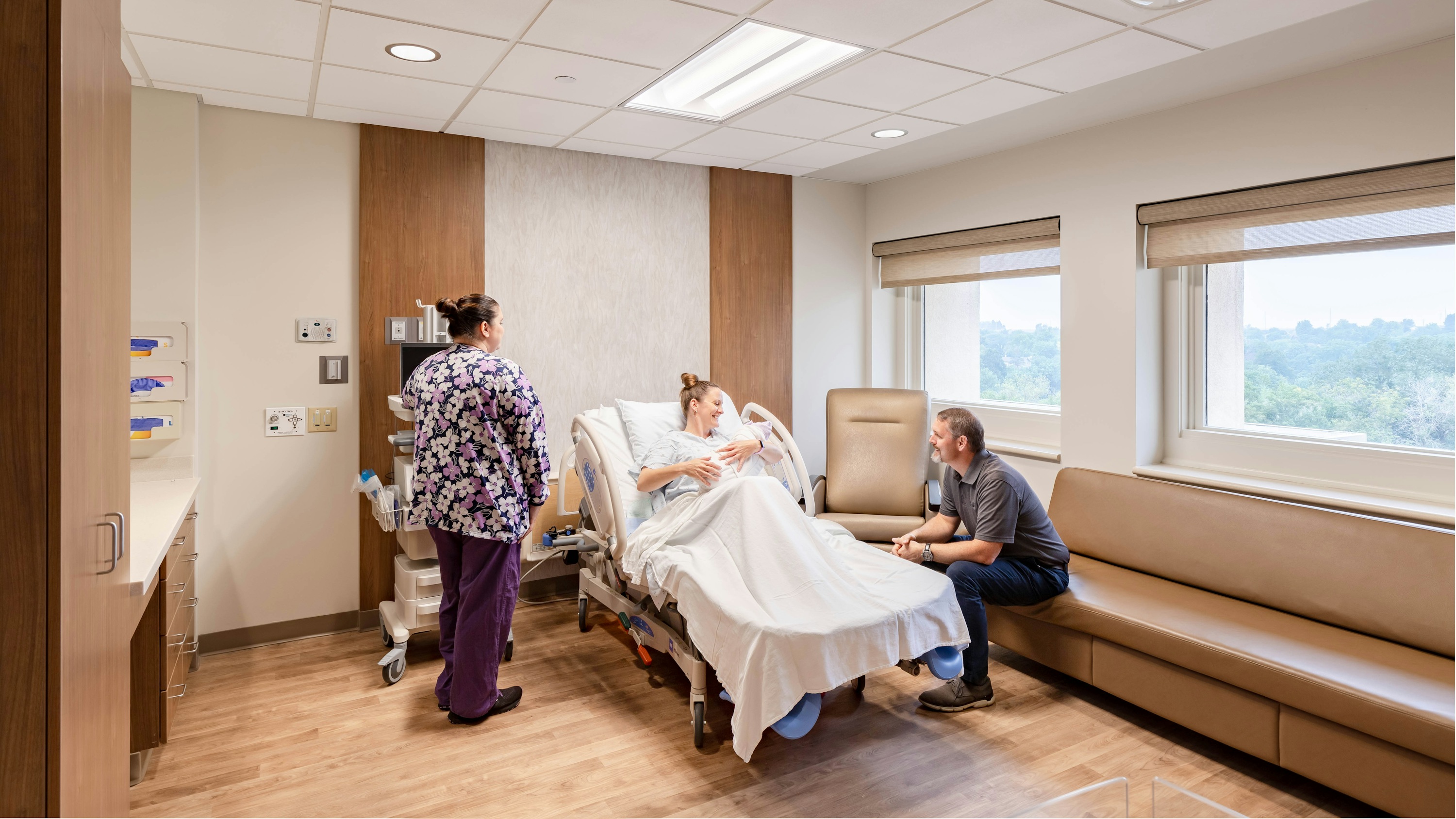
Patient-centered design has been a guiding principle for years, but in 2026, it’s taking on new dimensions. Health systems are moving beyond aesthetics and comfort to use design as an active tool for engagement, personalization and recovery. Spaces are planned to accommodate diverse patient needs with adaptable layouts for families, care teams and telehealth consults, or environments shaped by real-time data on movement and healing. The emphasis is now on creating experiences that foster connection, trust and efficiency for patients, families and providers alike.
Key takeaway: Patient-centered environments are no longer just welcoming; they’re dynamic spaces designed to personalize care, strengthen relationships and improve clinical outcomes.
As hospitals face tighter budgets and increased energy demands, sustainability is shifting from a “nice to have” to a long-term operational strategy. Facilities are prioritizing energy-efficient systems, renewable materials and building designs that reduce maintenance costs and carbon impact. In addition to environmental benefits, these investments align with community expectations and demonstrate fiscal responsibility, showing that good design supports both people and planet.
Key takeaway: Sustainable strategies simultaneously strengthen financial and building performance while advancing community and environmental health.
As digital health expands and data demands grow, healthcare facilities are being designed to seamlessly integrate technology into daily operations. From robust infrastructure to flexible telehealth and simulation spaces, 2026 design efforts focus on supporting innovation without disrupting care. The result is a new generation of facilities built for both today’s technology and tomorrow’s advancements.
Key takeaway: Technology-ready design ensures facilities remain adaptable as healthcare delivery evolves.
Rural hospitals across the country continue to face financial strain and, in some cases, closure, placing added pressure on regional systems and emergency departments. In the new year, healthcare design is focusing on maximizing efficiency in smaller footprints, from hybrid inpatient/outpatient layouts to distributed care models that bring essential services closer to home. Smarter planning, flexible staffing models and telehealth-enabled spaces are helping rural systems maintain access while reducing operational costs.
Key takeaway: Designing efficient, adaptable rural facilities supports community health and relieves strain on larger regional networks.
In 2026, healthcare design is about balancing clarity and flexibility, planning for the future while creating spaces that deliver meaningful impact today. Wold’s healthcare team continues to help clients align master plans, operations and design with a shared goal: building environments that enable better care for every community.