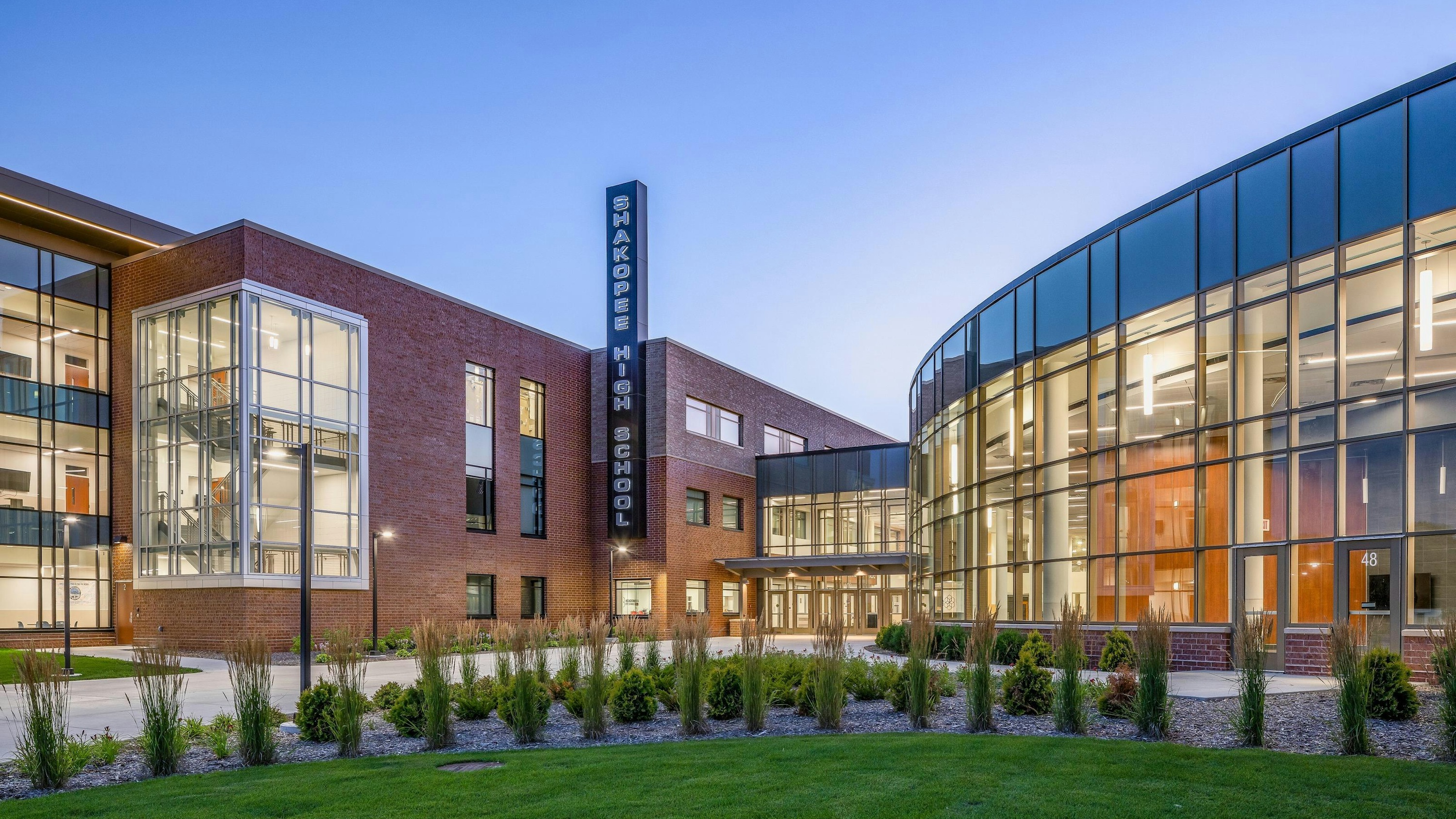
In Minnesota, most major school projects are funded by community-driven referendums, but deferred maintenance schedules, aging buildings and urgent health and safety needs rarely align neatly with election cycles or political feasibility. Nationwide, the average school facility is 49 years old, and many schools in Minnesota are at least 35 years old. Districts are often balancing what the community can plan for with what buildings need now.
When mechanical systems fail, indoor air quality declines or finishes deteriorate, the Long-Term Facilities Maintenance (LTFM) revenue program is a critical tool districts can leverage to meet those needs. While no funding path is without tradeoffs, having the right partner goes a long way in making informed choices. At Wold Architects & Engineers, we understand that thoughtful planning and a strong understanding of the local landscape are crucial to helping districts prioritize and manage varying maintenance needs for some of their most valuable assets: their facilities.
Minnesota school districts can use LTFM funding to pay for a range of safety and environmental health maintenance needs. Each district maintains a commissioner-approved 10-year LTFM plan and reports qualifying maintenance Health and Safety (H&S) projects through the Minnesota Department of Education’s system. This process can help districts secure ongoing annual funding for eligible improvements and may qualify larger projects for additional LTFM revenue. There are several key parameters that govern LTFM funding that are helpful to understand:
Despite these constraints, LTFM can fund work that keeps schools safe and functional. When used strategically, LTFM becomes more than a maintenance funding bucket: it becomes a long-range planning tool. Across Minnesota, districts have used LTFM for:


H&S funding is a more restrictive subset that can supplement LTFM. Alone, it is rarely sufficient to cover full project needs. However, its value increases significantly when paired with LTFM and other sources. It allows districts to address larger, more critical maintenance items that may not fit under a typical LTFM allocation. Qualifying projects over a certain budget threshold (generally, around $100,000) can include:
Bond referendums require voter approval and are usually anchored to election cycles. The majority of successfully funded projects center on improvements voters can see, like additions, new facilities or expanded community amenities. Meanwhile, behind-the-scenes maintenance needs can struggle to gain traction at the ballot box. Mechanical systems, IAQ upgrades and finish replacements are critical to the daily experience of students and staff, but they don’t tend to generate the same excitement as a new gym or auditorium.
At the same time, urgent needs can’t always wait. For example, aging ventilation equipment and limited dehumidification capacity at Winona Public Schools’ Jefferson Elementary and Washington-Kosciusko Elementary were causing discomfort for students and staff and disrupting learning. Rather than waiting for a future bond cycle, the district leveraged available LTFM tools to upgrade to a geothermal system, supporting more comfortable facilities and reliable building performance.
It is important to acknowledge that non-voter-approved funding mechanisms like LTFM and H&S still affect the local tax base. Conversations around these approaches require clarity, transparency and intentional planning coordination between district facility and financial leadership. Wold helps districts navigate these complexities to find a viable and effective path forward to best serve their students, staff and communities.
As construction costs rise and building systems age, more districts are adopting a “braided” funding strategy: layering LTFM, H&S and other eligible revenue streams within a single, carefully structured project. Broad project scopes can often be broken into smaller components, which allows districts to identify portions that qualify for specialized funding.
In Orono School District, the Discovery Center renovation shifted how the district approached non-referendum funding. With Wold’s guidance, the district activated H&S funding for indoor air quality, chiller and dehumidification upgrades. By combining those dollars with other eligible revenue streams, Wold helped Orono address needs that would have been difficult to tackle under any single funding cap.
Braided funding works best with clear planning and a partner like Wold to match project needs to eligible funding sources and long-term strategy. Key ingredients include:


Navigating Minnesota’s funding frameworks requires local expertise and an up-to-date understanding of application requirements. Long-range facility planning plays a key role in identifying eligible projects, phasing work effectively and coordinating timing across multiple funding sources.
LTFM is not a replacement for referendums. It’s a strategic complement that, when used thoughtfully, helps districts address pressing needs and avoid leaving available dollars on the table. By supporting board-level conversations about timing, tradeoffs and tax impacts, districts can move from reactive fixes to proactive stewardship.
Maintenance planning isn’t just about preserving buildings. It’s about protecting learning environments and positioning communities for the future. If your district is evaluating its long-term facilities plan or exploring non-referendum funding strategies, connect with our team to start the conversation.