School facility planning requires more than technical expertise. It calls for early and consistent alignment across stakeholders with different priorities, expectations and experiences, all working toward a shared outcome. Often misunderstood as a full agreement among all parties, community consensus is a more realistic way to build shared understanding and trust for districts to make informed decisions and move forward with confidence. It shifts engagement from one-way communication to active dialogue that zeroes in on understanding needs before introducing solutions – a distinction that matters.
While potential solutions can be endless, identifying shared needs guides decision-making. As districts balance rising project costs, increased public scrutiny and more intricate funding pathways, planning rooted in community consensus better positions K-12 leaders to navigate complexity and build support over time. At Wold Architects & Engineers, designing for communities is an intentional process. Our teams partner with districts to help define priorities, communicate needs clearly and create trust through structured engagement that supports long-term success, from planning through design.
Wold’s consensus process creates clarity early and carries it forward into all stages of project planning and design. When alignment is established at the outset, districts can:
Without an initial structure in place, conversations can quickly shift toward competing ideas, making it more difficult to build momentum or maintain confidence in the process. A clear, consistent approach helps districts move from uncertainty to action.
1. Define who to engage; clarify goals and outcomes
The first step is understanding who should be part of the conversation, including community members, staff, administrators and board leadership. District leaders know their communities best, and the level of engagement should reflect both the scope of the project and the decisions ahead, with broader engagement being especially important when referendums are involved.
Districts must start with the end in mind. This will help determine the size of the task force and clarify how input will inform decisions.
2. Align around community needs and understanding through data
Stakeholders must understand both their own priorities and the needs, including passions, of others. Creating space for people to express what matters most helps build that shared understanding.
It’s also important to build a common understanding through data (enrollment trends, capacity and facility needs) and provide transparency around constraints (cost, timing and scope). Breaking these factors down in a clear and accessible way helps stakeholders understand trade-offs and builds trust in the process.
3. Facilitate ongoing dialogue through community task forces and targeted outreach
Consensus is not built in a single meeting. It requires consistent communication, clear language when labeling priorities and framing decisions, structured engagement and a willingness to revisit conversations as projects evolve.
Community task forces, stakeholder workshops/forums and targeted outreach ensure broad participation and helps manage dialogue within the community. Districts that maintain this continuity are better positioned to carry alignment forward.
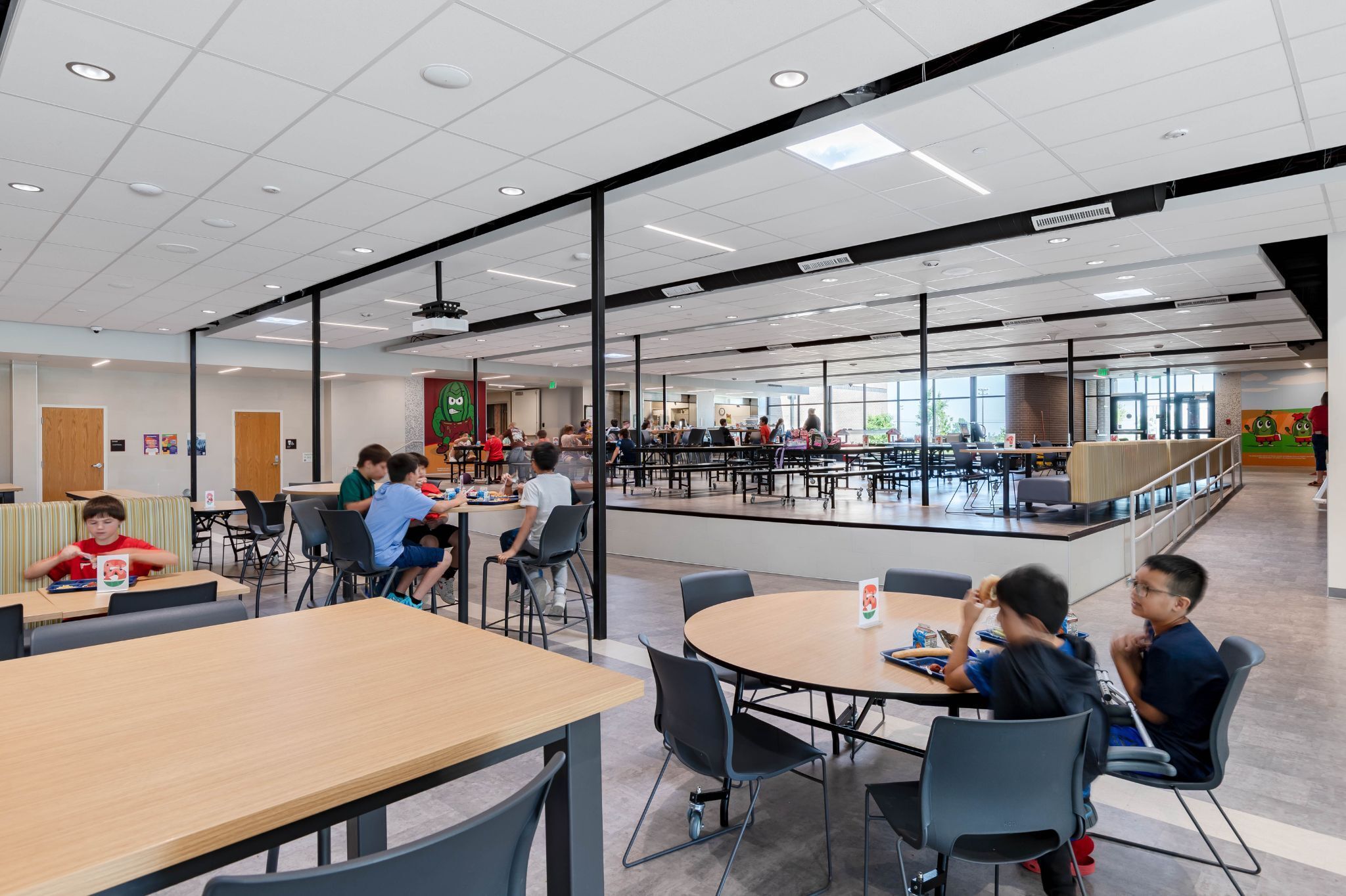
Districts approach community consensus-building from different starting points, but these examples show that compromise can be found.
Minnesota: Owatonna High School
Wold worked closely with Owatonna Public Schools and the broader community to design a high school shaped around the future of education and the local economy. Career exploration played a central role, with local business leaders contributing time and insight to inform CTE spaces while making major investments in the project and related programming. Community involvement helped bring the project to life and created a stronger foundation for future generations of students and the region’s workforce needs.
Illinois: Kaneland School District
In Illinois’ Kaneland School District, community feedback following an unsuccessful referendum helped reshape the district’s communication approach ahead of a second attempt. Wold supported the district in providing broader community outreach and greater transparency around the proposed project details, helping residents better understand the needs, priorities and long-term impact. With clearer information and a stronger engagement process, the second referendum passed with community support.
Tennessee: Jackson-Madison County School System – Malesus STEM Innovation Center
The community surrounding Malesus STEM Innovation Center in Tennessee had strong ties to the existing historic facility, which informed the district’s engagement process. Wold’s community engagement process introduced a hybrid solution that balanced modernization with preservation.
Colorado: Rocky Ford School District R-2
In Colorado’s Rocky Ford School District, aging facilities in need of repairs or replacement prompted a master planning effort with Wold. The result was a unified PK-12 campus that demonstrated how early alignment leads to funding success and community-supported solutions.
Community consensus requires planning, structure and sustained effort. As districts prepare for future projects, several key considerations should guide the process:
These fundamental factors shape both how the process unfolds and the outcomes it delivers.
The most successful school projects are widely understood and supported by the communities they serve. That level of support does not happen at the end of a project; it is built from the beginning.
Wold partners with districts to create structured, community-driven processes that provide a foundation for stronger decisions and more resilient outcomes. Wold’s philosophy builds understanding first, aligns around shared needs and designs solutions that reflect the community. The result is more than a completed project. Community consensus strengthens relationships and positions districts for long-term success.
Connect with Wold to explore how a community-first approach can support your next project.